Electricity generation is often associated with large power plants and centralized grids, but many applications require power closer to where it is consumed. Homes, telecommunications infrastructure, rail systems, oil and gas operations, and remote sites can face different requirements for reliability, fuel availability, and access to electricity. Fuel cells offer an alternative to combustion-based generation by converting the chemical energy in fuel into electricity through an electrochemical process.
WATT Fuel Cell is a fuel cell manufacturer that designs, develops, and manufactures small-scale Solid Oxide Fuel Cell (SOFC) systems for point-of-use power generation. Founded in 2010 by Dr. Caine Finnerty in Long Island, New York, WATT shifted its operations to Western Pennsylvania in 2014 following its acquisition of Pittsburgh Electric Engines Inc. The company established its SOFC production facility in Mt. Pleasant, Pennsylvania, where it continues to manufacture its fuel cell systems.
Solid Oxide Fuel Cell Technology
WATT’s SOFCs use ceramic-based tubular fuel cells that convert chemical energy into electricity without combustion. Fuel enters the anode while oxygen enters the cathode, where oxygen molecules are converted into oxide ions. The ions pass through an electrolyte and react at the anode, while electrons travel through an external circuit to generate an electrical current. The process also produces heat and water, with natural gas or propane operation producing a small amount of carbon dioxide.
Fuel flexibility is one of the characteristics of WATT’s SOFC technology. The systems can operate on natural gas, propane, renewable natural gas and hydrogen blends. WATT HOME, the company’s residential system, can use existing natural gas infrastructure and accept hydrogen blends of up to 20%. WATT also cites low carbon dioxide emissions and virtually zero nitrogen oxides, sulfur oxides, ozone and fine particulate emissions among the characteristics of its fuel cell systems.
Additive Manufacturing
WATT manufactures its tubular SOFCs through a patented Additive Manufacturing Process (AMP). Similar in principle to 3D printing, the process allows manufacturing parameters to be controlled at the microstructure level. This gives WATT control over the production of its ceramic fuel cells while providing a manufacturing method designed for repeatable, automated production.
WATT says its AMP process requires 90% less time than conventional SOFC manufacturing and offers higher yields. The production system includes 24/7 printing capabilities, automated production, vision-based quality control, material recovery and recycling capabilities. The company has also expanded its additive manufacturing facility with custom ceramic printers and robotic automation as it prepares for larger-scale production.
Fuel Cells for Different Applications
WATT has three current product lines: WATT HOME, WATT REMOTE and WATT NOMAD. WATT HOME is designed for residential applications, where it can serve as primary or backup power and integrate with solar and energy storage. The system also includes app connectivity for monitoring when an internet connection is available and passive safety features. WATT has been working with utility partners on residential deployments, including a multi-year program with Hope Gas.
WATT REMOTE is designed for applications such as rail, telecommunications, oil and gas operations and weather stations, where grid access or power reliability can be limited. The system can operate on natural gas or propane and integrate with solar and energy storage in grid-tied and grid-independent configurations. WATT NOMAD is designed for recreational use and operates on propane, working alongside optional solar power and batteries for mobile applications such as camping and boating.
From Long Island to Pennsylvania
WATT began in Long Island in 2010 and moved its operations to Western Pennsylvania after acquiring Pittsburgh Electric Engines Inc. in 2014. The acquisition gave WATT access to PEEI’s tubular SOFC technology and established the foundation for the company’s operations in Mt. Pleasant. WATT opened its Pennsylvania production facility later that year.
WATT has since expanded its work across fuel cell engineering, additive manufacturing, system production and commercial deployment. The company closed an equity financing round in July 2026 involving existing and new investors, with proceeds intended to expand production capacity and customer deployments. Its recent activity includes residential fuel cell installations and shipments ahead of its 2026 WATT HOME launch.
ABOUT | CAINE FINNERTY
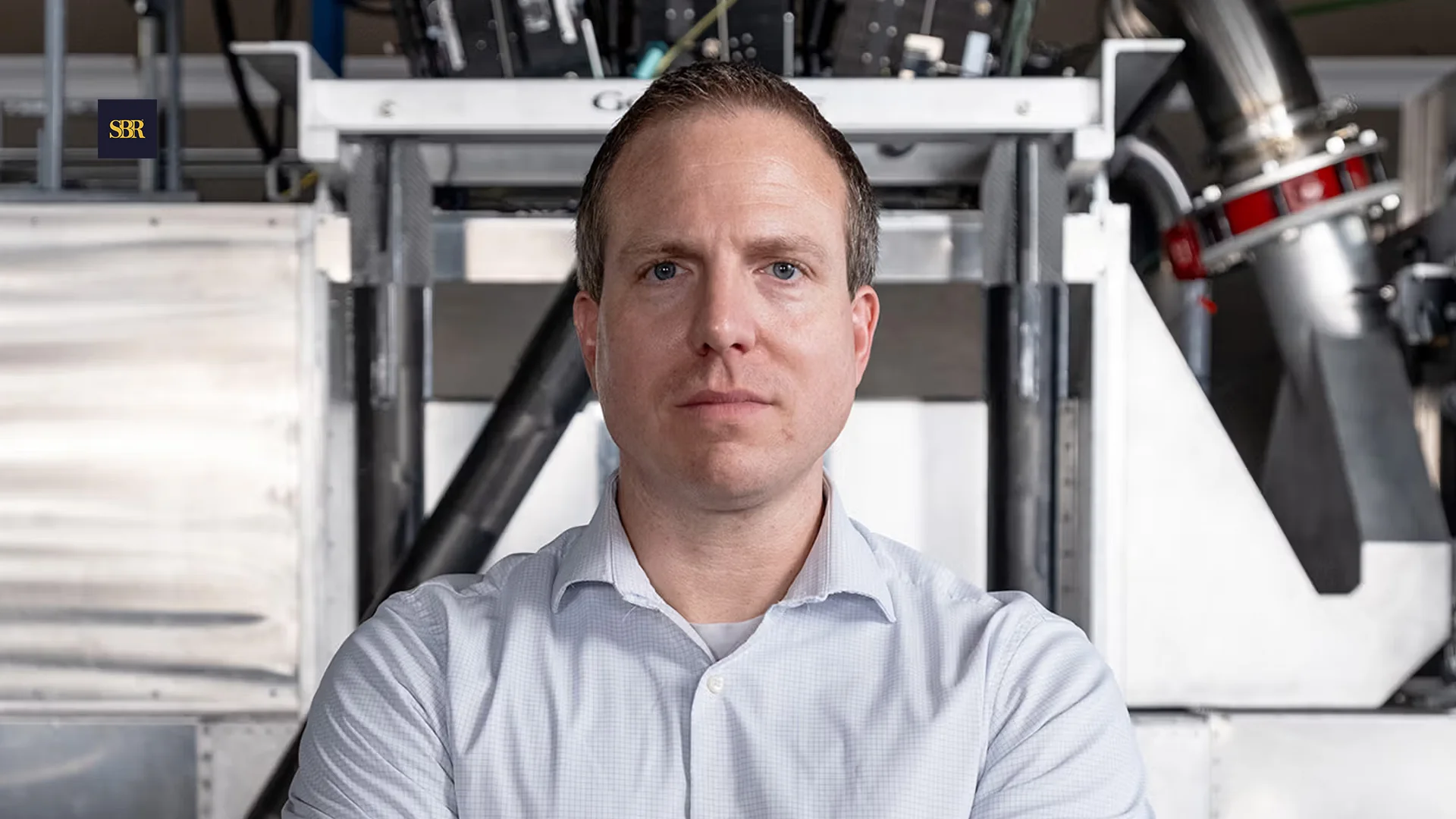
Caine Finnerty, Ph.D., is Founder and Chief Executive Officer of WATT Fuel Cell. He founded WATT in 2010 and has led the company through product development, testing, certification, and commercialization. In 2014, Finnerty engineered the acquisition of Pittsburgh Electric Engines Inc., which moved WATT’s operations to Mount Pleasant, Pennsylvania. He has also overseen the establishment of WATT’s additive manufacturing facility and the expansion of its SOFC technology and product portfolio.
Before founding WATT, Finnerty worked in research, development, and production involving catalysts, nanomaterials, and SOFCs. He later served as Chief Technology Officer at NanoDynamics Energy Inc., where his work covered materials science, thermal and flow analysis, electrical, software and mechanical engineering, and manufacturing. Finnerty holds a Ph.D. in Chemistry, Catalysis and Electrochemistry from Keele University and a B.S. in Applied and Analytical Chemistry from Staffordshire University. He has 47 publications in peer-reviewed journals.