Keres is a Denver-based aerospace startup developing reusable, unmanned jet interceptors for air defense. The startup’s flagship product, the Garmur, is designed to destroy drones and cruise missiles before returning to land for another mission. Founded by Parker Jamieson and Christopher Palazzolo, Keres is developing the aircraft to reduce the cost of aerial interception by allowing military operators to reuse it across multiple missions. The intended flight sequence includes launch on command, high-speed travel toward a target, target identification, engagement, and recovery. Publicly available information reviewed for this article does not establish whether the Garmur has completed that full sequence during flight tests.
The economic case for reusable interception rests on the cost difference between aerial threats and the weapons used to destroy them. Military forces can spend substantially more to intercept a drone than an attacker spends to deploy it. Repeated engagements can consume interceptor inventories and require expensive replenishment. An aircraft that returns after each mission could spread its acquisition cost across multiple flights, provided recovery, inspection, maintenance and relaunch expenses remain manageable. Keres is developing the Garmur around this premise, but public information does not establish the aircraft’s expected purchase price, cost per mission, service life or maintenance requirements. Those figures will be necessary for military buyers to assess whether reuse offers a financial advantage over existing systems.
Garmur Targets Drones and Cruise Missiles
The Garmur is designed to intercept two types of aerial threats: unmanned aircraft and cruise missiles. Its intended sequence begins with a launch command, followed by a high-speed flight toward the target, target identification, engagement, and recovery. Each stage presents distinct engineering requirements. The interceptor must reach a threat within the available response time, identify the intended target and carry out an engagement without creating unacceptable risks to nearby aircraft or people. It must also return safely when mission circumstances permit recovery. Publicly available material does not provide detailed specifications for maximum speed, operational range, endurance, propulsion, payload capacity or onboard sensors. The mechanism used to destroy a target has not been fully documented in the material reviewed.
Reusable operation introduces requirements beyond intercepting a target. Military buyers would need data on launch readiness, turnaround time, maintenance intervals, recovery procedures and the number of missions an aircraft can complete before major repairs. Damage during an engagement could prevent reuse, while recovery would depend on the aircraft’s location and the availability of a suitable landing site. Integration with radar networks, command systems and other air defense assets would also be necessary to coordinate launches and provide target information. Public information does not establish whether the Garmur has demonstrated autonomous target identification, completed interception trials or integrated with existing military systems. Test results would help buyers assess whether the aircraft can meet operational requirements.
Founders Bring Aircraft Manufacturing Experience
Keres was founded by Parker Jamieson and Christopher Palazzolo, who serve as chief executive officer and chief technology officer, respectively. The startup’s stated mission is to bring reusable tactical airpower to the United States, with the Garmur as its principal product. Taking an aircraft from design to military use requires work across airframe engineering, propulsion, avionics, flight testing and production. The aircraft must also meet requirements for reliability, repeatability and safe operation. Y Combinator’s public profile lists three people at Keres, indicating that the business remains small at this stage. The material reviewed provides limited detail about the startup’s engineering workforce, manufacturing arrangements, supplier relationships, development schedule or access to test facilities.
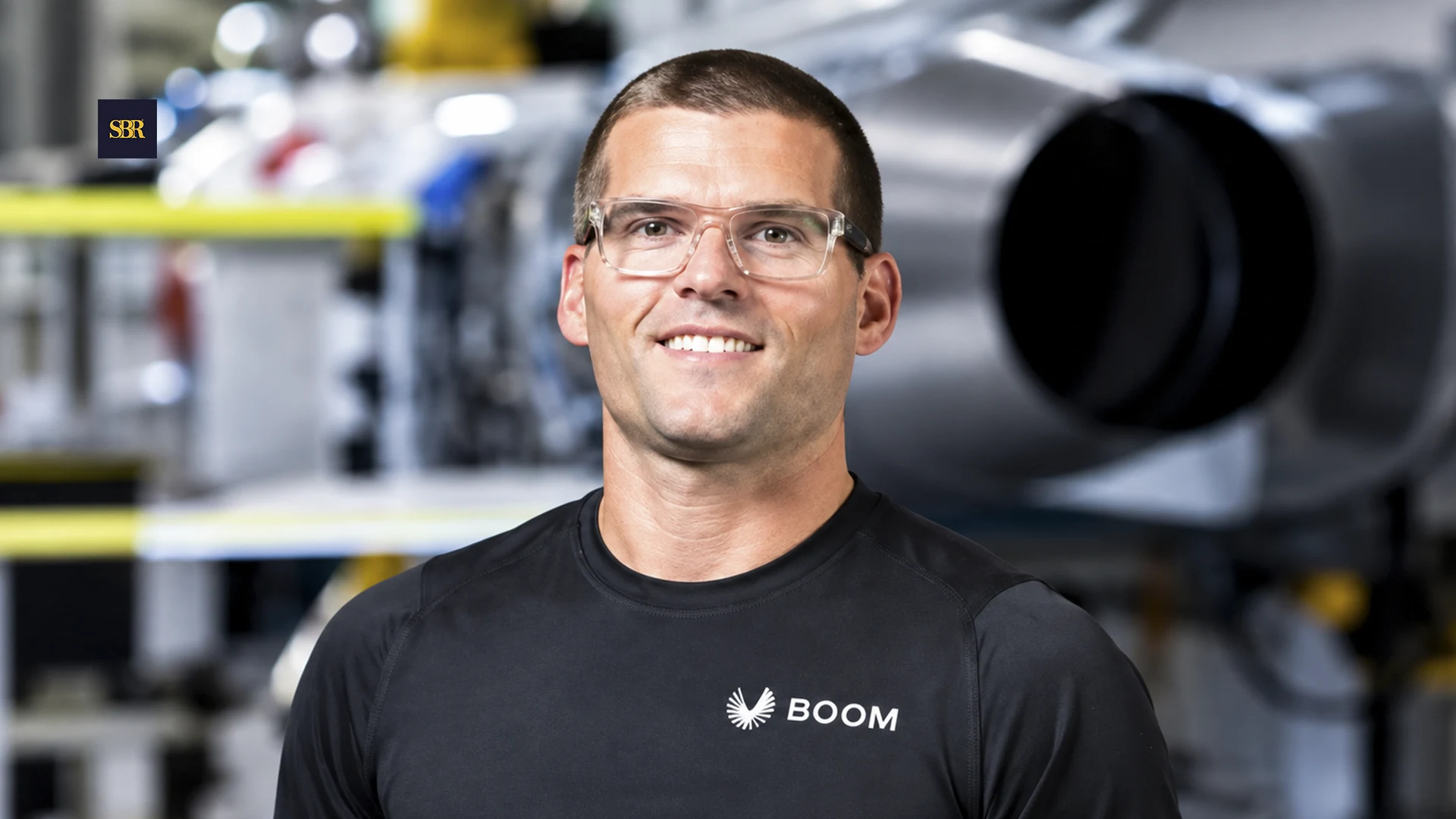
Palazzolo previously worked at Boom Supersonic for more than four years, progressing from aircraft technician to director of aircraft and production operations for the XB-1 demonstrator. His responsibilities included avionics, flight testing, and manufacturing. He also served as head of operations at H3X Technologies and holds a bachelor’s degree in mechanical engineering from Oakland University. This experience is relevant to aircraft production and testing, but it does not establish Garmur’s performance or readiness. Publicly available information provides less detail about Jamieson’s professional background. Further disclosure of engineering milestones, manufacturing capacity, and flight-test plans would help explain how the founders intend to move the aircraft from design work to a system that military buyers can evaluate.
Y Combinator Listing Marks an Early Milestone
Keres’ inclusion in Y Combinator’s Fall 2026 batch is among its latest publicly documented developments. The accelerator’s directory identifies the startup with aerospace and defense and provides information about its founders, location and Garmur product concept. Participation places Keres within an accelerator program for early-stage businesses, but it does not establish that the aircraft has completed testing or secured military customers. The startup’s public website presents its focus as reusable tactical airpower and directs inquiries to Jamieson. The information reviewed does not identify a confirmed military procurement award, completed flight-test campaign, delivery schedule or disclosed production contract. These distinctions matter when assessing an aerospace startup whose principal product is still described in terms of intended capabilities.
The next milestones will depend on flight-test evidence, cost data and the ability to meet military requirements. Demonstrations would need to establish whether the Garmur can launch and recover reliably, identify and engage intended targets, and return for repeated missions. Prospective buyers would also need information on purchase price, operating expenses, maintenance, reliability and compatibility with existing air defense systems. Entry into military service would require technical evaluation and procurement decisions beyond the initial product concept. Keres has defined a specific objective: develop a jet-powered, unmanned interceptor that can destroy drones and cruise missiles and return for reuse. The commercial prospects of the Garmur will depend on demonstrated performance, production economics and the startup’s ability to meet military customers’ requirements.
ABOUT | CHRISTOPHER PALAZZOLO
Christopher Palazzolo, co-founder, is the Chief Technology Officer of Keres, an aerospace startup based in Denver, Colorado. His experience includes aircraft manufacturing, avionics, flight testing, and production operations. Before co-founding Keres, Palazzolo spent more than four years at Boom Supersonic, where he progressed from aircraft technician to director of aircraft and production operations for the XB-1 demonstrator. He also served as head of operations at H3X Technologies. Palazzolo holds a bachelor’s degree in mechanical engineering from Oakland University and an FAA Airframe and Powerplant certificate.









.webp)