Treefera is an AI-enabled data platform on nature-based assets. It uses agentic AI, satellite imagery, and financial-grade risk modelling to provide real-time visibility into global supply chains, particularly at the first mile where raw materials are grown, extracted, or processed. Treefera’s platform analyses geospatial and environmental data to identify risks such as deforestation, wildfires, crop disease, and land-use change, helping enterprises anticipate disruptions, meet regulatory requirements, and make informed sourcing decisions. Treefera serves sectors including agriculture, forestry, energy, and insurance.
SME BUSINESS REVIEW reached out to Jonathan Horn, founder and CEO of Treefera, for an interview to discuss the vision behind the company’s founding, its AI-enabled platform for supply chain visibility, how it helps enterprises identify environmental and operational risks, and its plans for growth following a $30 million Series B funding round. Here’s what Mr. Horn had to say.
Interview Excerpts
Could you elaborate on how Treefera was founded and discuss the initial vision behind its establishment?
I founded Treefera alongside Caroline Grey in 2022 after recognising the urgent need for greater transparency and accountability in global supply chains. Right from the start, Treefera’s mission was to deliver real-time traceability across supply chains by using agentic AI, satellite imagery, and financial-grade risk modelling.
We recognised that risks are especially concentrated in the first mile of commodity supply chains, with around 60% of supply chain disruptions originating at the source. Treefera’s platform was designed to mitigate many of the top risks highlighted in the WEF’s 2025 Risk Report, from those associated with extreme weather and environmental volatility to operational fragility and tightening regulatory requirements. Furthermore, we needed to give enterprises the defensible data they need to adapt and stay ahead.
How does Treefera’s proprietary AI-enabled data fabric enhance the analysis of spatial and temporal data for supply chain visibility?
Treefera’s platform ingests complex geospatial data from satellites, including those operated by NASA and the ESA. Using agentic AI, Treefera transforms raw imagery into actionable insights on land composition, weather dynamics, atmospheric conditions, and environmental hazards across supply chains, regardless of geography, industry, or scale.
Our real-time monitoring can identify and interpret changes in environmental conditions, from the rapid spread of wildfires to the emergence of crop disease. By detecting and analysing these events early, Treefera equips businesses to anticipate revenue disruptions, avoid regulatory non-compliance, and intervene before risks escalate.
For example, in West Africa, periods of sustained heavy rainfall have been correlated with spikes in swollen shoot virus across cacao plantations. This disease reduces yields and increases global cocoa prices. With Treefera’s technology, companies can track these developments as they unfold, understand the impact on production, and adapt sourcing strategies proactively to safeguard supply and manage costs.
How does Treefera help organizations identify and respond to operational and environmental risks in real time?
Through real-time monitoring, agentic AI-driven risk analysis, and predictive insights, Treefera provides visibility into nature-based assets, maps and traces supply chains, and helps enterprises anticipate and mitigate both environmental and operational risks.
One significant operational risk today is non-compliance with a rapidly evolving regulatory environment. The EU’s ‘omnibus’ sustainability legislation and the outlined requirements for the upcoming European Deforestation Regulation mandate transparent reporting of supply chain activity. Treefera’s platform continuously integrates cross-border regulatory requirements, enabling clients to remain compliant and confident wherever they operate.
Treefera also tracks environmental risks by combining historical satellite data with AI-driven forecasting to predict disruptions before they materialise. In forestry, for example, our platform can quantify deforestation trends over decades, detect early signs of illegal logging, and forecast land-use change. This enables businesses to anticipate risks to supply security, carbon baselines, and compliance obligations long before they become critical.
What specific advantages does first-mile visibility offer to enterprises aiming to build resilient and responsible supply chains?
The majority of environmental and operational risks emerge at the point where raw materials are first grown, extracted, or processed. Yet this first mile is often a blind spot due to limited access to accurate and timely data. By delivering defensible visibility at this stage, Treefera enables businesses to detect land-use change, environmental stress, and sourcing practices that fall short of regulatory requirements or carbon commitments.
This transparency supports better decisions on supplier relationships and procurement strategies while reducing reliance on self-reported data or infrequent audits by providing a continuous and verifiable view of operations.
What measurable impact has Treefera had on the sustainability and continuity of the supply chains it supports globally?
Our platform is used across sectors, including agriculture, forestry, energy, and insurance. In some cases, customers have reduced the time and cost of carbon project validation by around 30%. Others use the platform to detect early signals of disruption in sourcing regions, such as deforestation, wildfire, or disease.
Treefera works with sustainability teams, but its impact extends directly to the C-suite. By providing reliable and spatially relevant insights, the platform helps enterprises protect revenue security and supply continuity. This is especially valuable where environmental risk intersects with compliance and sourcing decisions, ensuring resilience is embedded across the business.
How does Treefera plan to leverage its recent $30 million Series B funding to deepen its capabilities?
The funding is being used to advance Treefera’s monitoring and risk analysis tools, with further development in real-time commodity tracking, geospatial analysis, and regulatory compliance automation. It is also supporting expansion across North America, Asia Pacific, and Europe.
Treefera has built a leadership position in applying AI to first-mile visibility, and this investment allows us to scale that advantage. As scrutiny on sourcing and environmental claims increases, enterprises need defensible data that not only underpins compliance but also secures capital flow into more resilient supply chains. That is where we see Treefera’s impact growing.
What is next for Treefera, and how do you plan to position the company in the global market?
Following this funding round, we are focused on expanding Treefera’s lead in applying AI to supply chain visibility and driving innovation that deepens our real-time monitoring and forecasting capabilities. AI and satellite data remain central, supported by complementary technologies that strengthen our ability to track change at the source. For example, the use of drones to detect adverse environmental conditions is well documented and offers immediate, real-time visibility into local reactive events.
Treefera sees a strong opportunity for growth in the US, where agricultural production is projected to reach $587 billion in 2025, and regulatory pressure is intensifying worldwide. Enterprises in this environment need defensible data to manage exposure and protect continuity. Our role is to provide the trusted information that guides capital toward more resilient supply chains, positioning Treefera as the enterprise standard for first-mile visibility.
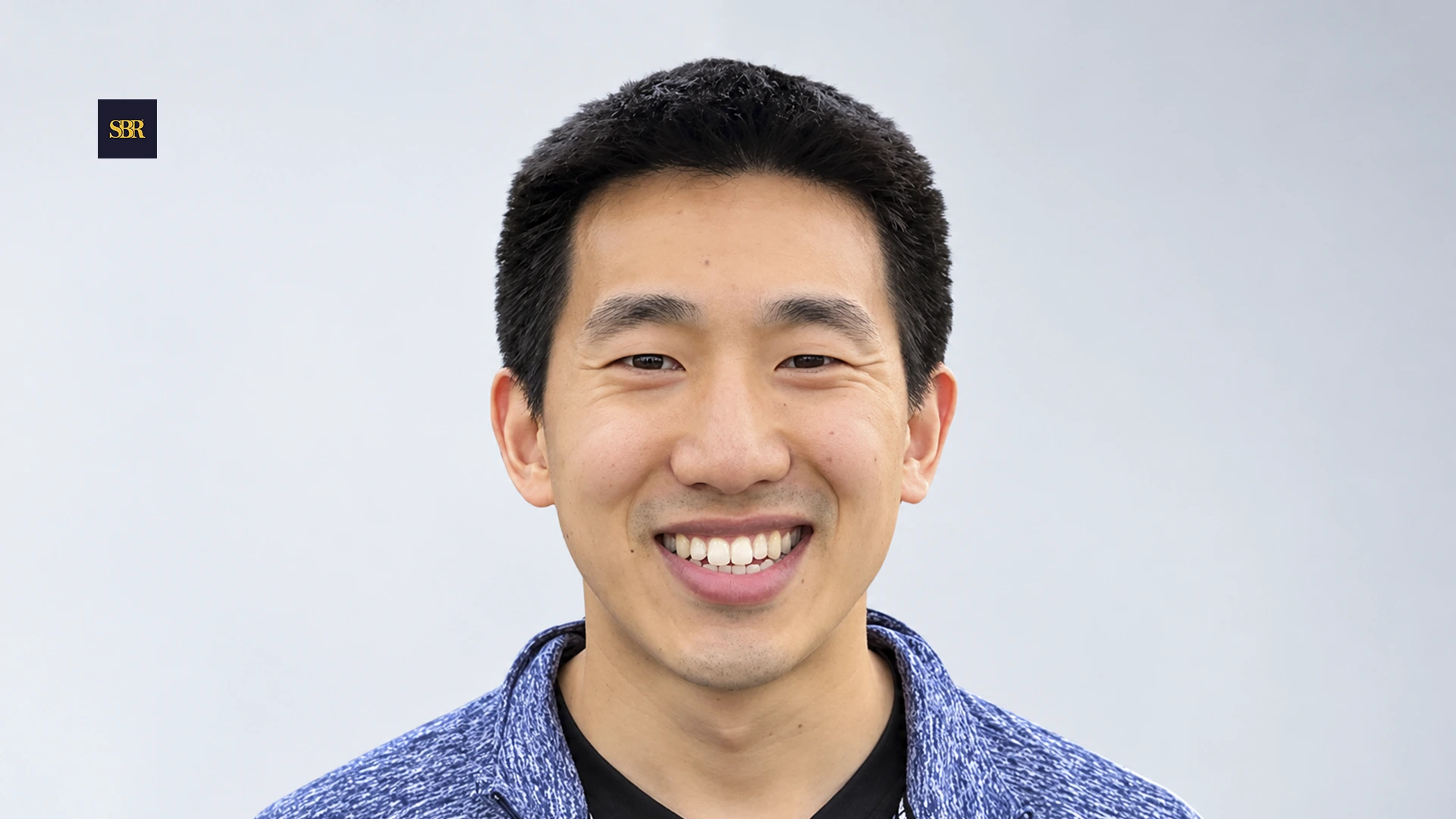
ABOUT | JONATHAN HORN
Jonathan Horn, founder and CEO of Treefera, is a strategic thinker and problem solver with over 20 years of experience in investment banking, AI, data, and risk, driving digital innovation globally as well as establishing and scaling big data and AI groups at Citi and JPMC. He has experience implementing data mesh to support a distributed, data-driven organisation. Jonathan holds a Ph.D. in fluid dynamics and three patents in AI.











.webp)