
Vernius Systems is a San Francisco-based defense technology startup developing low-cost radar seekers for interceptors and ground radars for counter-unmanned aircraft systems (C-UAS). The company’s first product, Archimedes, is an active radar seeker designed to detect and track Shahed-class targets beyond visual range, enabling autonomous or operator-assisted interception. The technology addresses a cost imbalance in air defense, where stopping relatively inexpensive attack drones can require far more costly weapons. By adapting its radar seekers to existing interceptor platforms, Vernius seeks to enable autonomous target acquisition without requiring manufacturers to design entirely new aircraft.
Many first-person-view (FPV) interceptor drones rely on pilots who guide aircraft through live video feeds. That method becomes harder to use against fast-moving targets, particularly at night or in poor visibility. Jet-powered attack drones give operators less time to locate and pursue an aircraft visually. Vernius is developing radar hardware that can receive target information from a command-and-control network, track an aircraft beyond visual range and guide an interceptor toward it. The system can also provide range and bearing information to a human operator. Radar guidance handles target acquisition during the middle portion of an engagement, while vision-based guidance can take over for the final interception. This division of tasks is intended to extend the capabilities of existing interceptor aircraft without requiring a human pilot to perform every stage of target tracking.
Three Radar Products
Archimedes 1A is an 80-millimeter active radar seeker designed for FPV interceptor drones targeting Shahed-class unmanned aircraft. The unit receives target information from a cueing network and uses active radar to guide the interceptor during flight. Vision-based guidance then handles the final interception. The compact design is intended to fit existing interceptor airframes, limiting the changes required to the aircraft. Radar-based acquisition can help an interceptor track targets in darkness and through fog, smoke or rain, when visual guidance may be less effective. Operational performance will depend on detection range, tracking accuracy, flight-control integration and reliability during use.
Archimedes 1B is a 120-millimeter radar designed for larger platforms, including unmanned ground vehicles and aerial carrier systems known as mothership drones. The seeker is intended for use against small quadcopters and Shahed-class aircraft. Barca 1 is a separate seeker intended for interceptor missiles capable of ballistic flight, with target categories that include cruise missiles and short-range ballistic missiles. Detailed specifications for Barca 1 have not been publicly disclosed. The product range addresses different platform sizes and interception requirements, from compact aerial drones to larger unmanned systems and missiles. Each application brings constraints involving hardware dimensions, power consumption, guidance integration and manufacturing cost. Adoption will depend on whether the seekers meet those requirements while delivering reliable target detection and tracking.
Testing and Manufacturing
Vernius spun out of Defense Tech for Ukraine (DTU), a volunteer nonprofit that develops hardware for frontline military units. Arthur Nguyen-cao, CEO, previously led engineers working on FPV drone hardware for Ukrainian operators. The founders’ experience spans radio-frequency circuit design, software and military communications. Field testing in Ukraine has formed part of the startup’s early work, giving engineers opportunities to assess the radar hardware with operators and interceptor-aircraft partners. The startup moved from an initial concept to a working prototype and frontline testing within eight weeks in 2026. Field trials can reveal integration problems that laboratory testing alone may not expose, although the scale and results of the trials have not been independently established in detail.
Manufacturing is another priority as Vernius prepares for potential deployments. The startup is recruiting a founding radar printed circuit board engineer to complete a second-generation interceptor seeker and oversee an initial production batch of 1,000 boards. Production targets include deploying the hardware on more than 10,000 interceptors per month beginning in 2027. These are targets rather than confirmed output or deliveries. Reaching that volume will require repeatable manufacturing, reliable component sourcing, quality control and successful integration with interceptor manufacturers. The seeker must also meet cost and performance requirements across different aircraft platforms. Large-scale adoption will depend not only on radar capability but also on whether the hardware can be manufactured consistently and installed without undermining the affordability of the interceptor.
Production and Deployment
Vernius joined Y Combinator’s Summer 2026 batch as it works to move its radar-guidance technology from field testing toward wider deployment. The startup is seeking firm orders and production contracts for Archimedes, with prospective defense customers likely to evaluate detection range, tracking accuracy, integration requirements, unit cost and performance during operations. Meeting procurement needs at scale will also require reliable component sourcing, consistent manufacturing quality and delivery schedules that accommodate military requirements.
Vernius’s production targets will depend on its ability to manufacture the radar seekers at a cost that preserves the affordability of interceptor drones. Wider deployment will require successful integration with interceptor platforms and reliable performance in field use. The company’s commercial prospects therefore rest on converting early testing into repeatable production and delivering hardware that military customers can deploy across large fleets of unmanned systems.
ABOUT | JOSEPH GONZALEZ
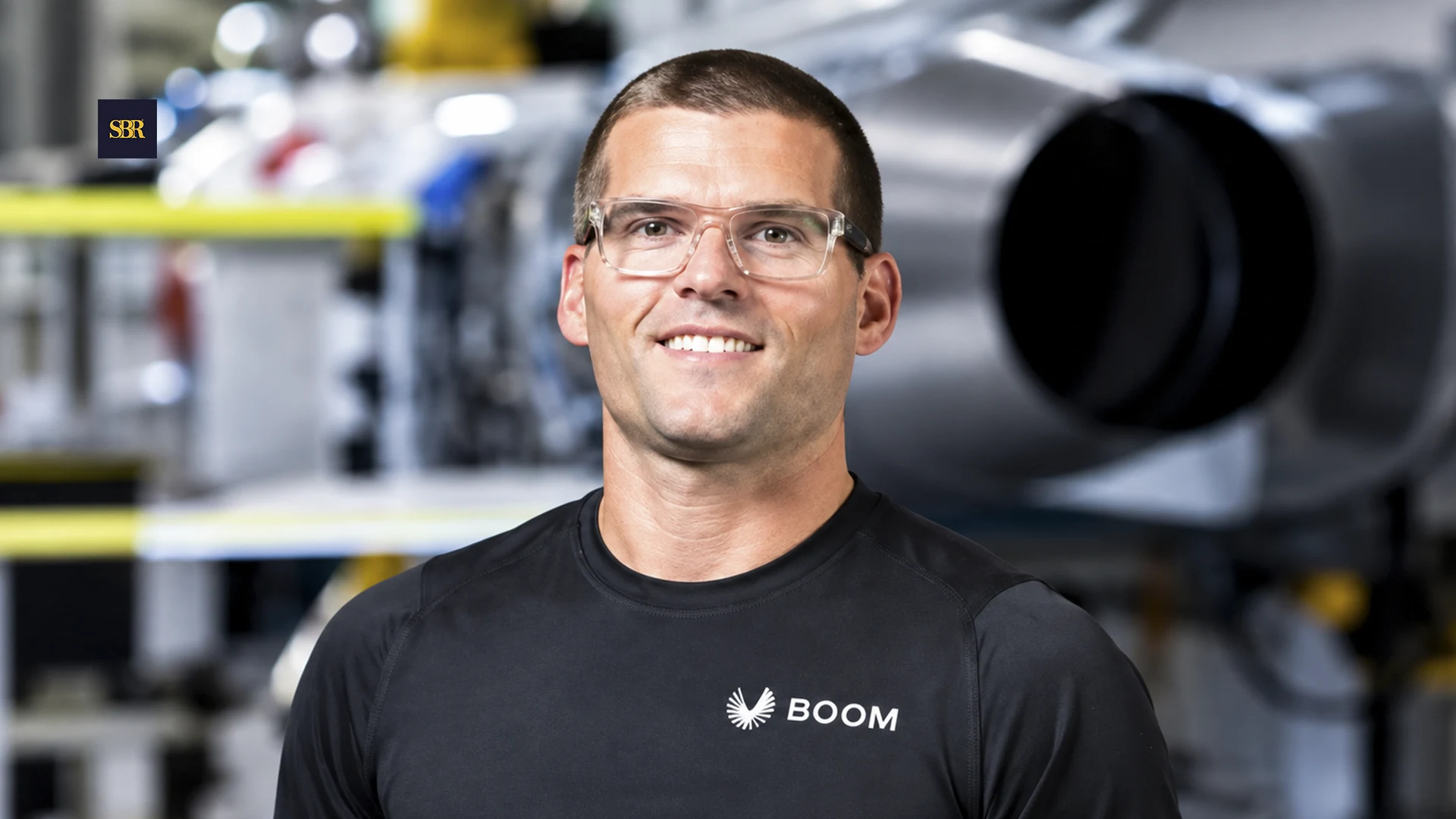
Joseph Gonzalez is the co-founder and chief operating officer of Vernius Systems. He previously founded Plucky Labs, a backend-as-a-service platform for AI chat applications; XP Protocol, which grew to more than 200,000 users; and Huddln, a venture-backed Web3 startup. Gonzalez also worked as a solutions architect at Sandia National Laboratories, where he designed secure communications systems for the U.S. Navy’s Tomahawk missile fleet. He holds a bachelor’s degree in computer engineering from California State University, Sacramento.








.webp)