
Airloom Energy is a Wyoming-based energy technology company developing a wind turbine that replaces the tall tower and large rotor of conventional turbines with vertical airfoils that travel along a ground-mounted track. Wind drives the airfoils around the track, converting kinetic energy into mechanical energy that generates electricity. The design uses a rectangular swept area rather than the circular area covered by a conventional turbine’s rotor. By reducing structural material and using smaller components, Airloom seeks to lower manufacturing, transportation, and installation costs while generating utility-scale electricity.
Conventional wind turbines require large blades, tall towers, specialized transport equipment and heavy cranes for installation. Airloom’s design uses smaller components intended for transport by standard trucks and assembly without heavy-lift equipment. The layout may also reduce the need for access roads, electrical collection cabling and other site infrastructure. Airloom is developing the system for deployment at sites where wind resources, height restrictions or difficult access affect the economics of conventional turbines. Field testing must establish how much electricity the system generates, how reliably it operates, what maintenance it requires and whether its total cost compares favorably with existing wind technology.
Wyoming Pilot
Airloom broke ground on a pilot site near Rock River, Wyoming, in June 2025. The project is designed to demonstrate a 1-megawatt turbine and measure its electricity production, operating performance, and capital costs. A smaller prototype built in 2023 validated the basic turbine architecture, while the Wyoming installation is intended to test the design at a scale relevant to commercial power generation. The site also gives engineers an opportunity to evaluate installation procedures, component durability and performance under local wind conditions before larger deployments.
In September 2026, Airloom reported that construction of its first-of-a-kind pilot site was nearing completion. The company’s published technical roadmap identifies a commercial demonstration for 2027, following pilot operations and cost validation. Results from Wyoming will help determine whether the turbine can generate electricity at the costs Airloom anticipates. Engineers will need to measure output across different wind speeds, assess mechanical wear, and document maintenance requirements. The project must also establish manufacturing, installation and operating costs relative to the amount of electricity generated over the turbine’s service life.
Funding and Research
Airloom announced $13.75 million in financing and public-sector awards in October 2024. The package included a $7.5 million seed round led by Lowercarbon Capital, with participation from Breakthrough Energy Ventures, WYVC, Crosscut Ventures, WovenEarth Ventures, Adiuvans and the Kutnick Family Office. Wyoming contributed $5 million through its Energy Matching Funds program, and the U.S. Department of Defense awarded Airloom a contract worth approximately $1.25 million. The funding was intended to help build the Wyoming pilot and test whether the company could generate wind power at a lower cost than conventional horizontal-axis turbines.
On Oct. 2, 2026, the University of Wyoming’s Wind Energy Research Center announced completion of a U.S. Space Force-funded Phase I research project with Airloom. The project examined whether the startup’s low-profile turbine could be deployed at Space Force installations. University researchers used wind modeling to assess resources at lower altitudes and identify potential sites for the technology. The Phase I work produced a feasibility assessment and outlined a possible path toward a Phase II field demonstration. The study does not establish that Airloom turbines have been installed at a military base or selected for defense procurement; further testing would be needed to verify operational performance.
Commercial Applications
Airloom identifies utility-scale power generation, military installations, airports, mountainous regions, and islands as potential applications for its turbine. The low-profile structure could suit sites where tower height, transportation or construction equipment limits the use of conventional turbines. Smaller components may also simplify access to remote locations where moving large blades and towers is difficult. Electricity developers will assess power output, land use, installation expense, maintenance costs and lifetime generation when comparing the technology with existing options. The Wyoming pilot is expected to provide performance and cost data for those evaluations.
The Space Force research adds a potential defense application to Airloom’s commercial plans. Military installations require electricity for communications, computing, sensors and other operations, including at remote sites with limited grid access. A lower-profile turbine could address some height and logistics constraints associated with conventional wind equipment, although each site would require reviews for radar interference and other operational requirements. Airloom’s next milestones include completing pilot testing, validating electricity production and capital costs, and progressing toward its planned 2027 commercial demonstration. Commercial adoption will depend on verified performance, competitive generation costs, reliable operation, and the ability to manufacture and install the equipment at scale.
ABOUT | NEAL RICKNER
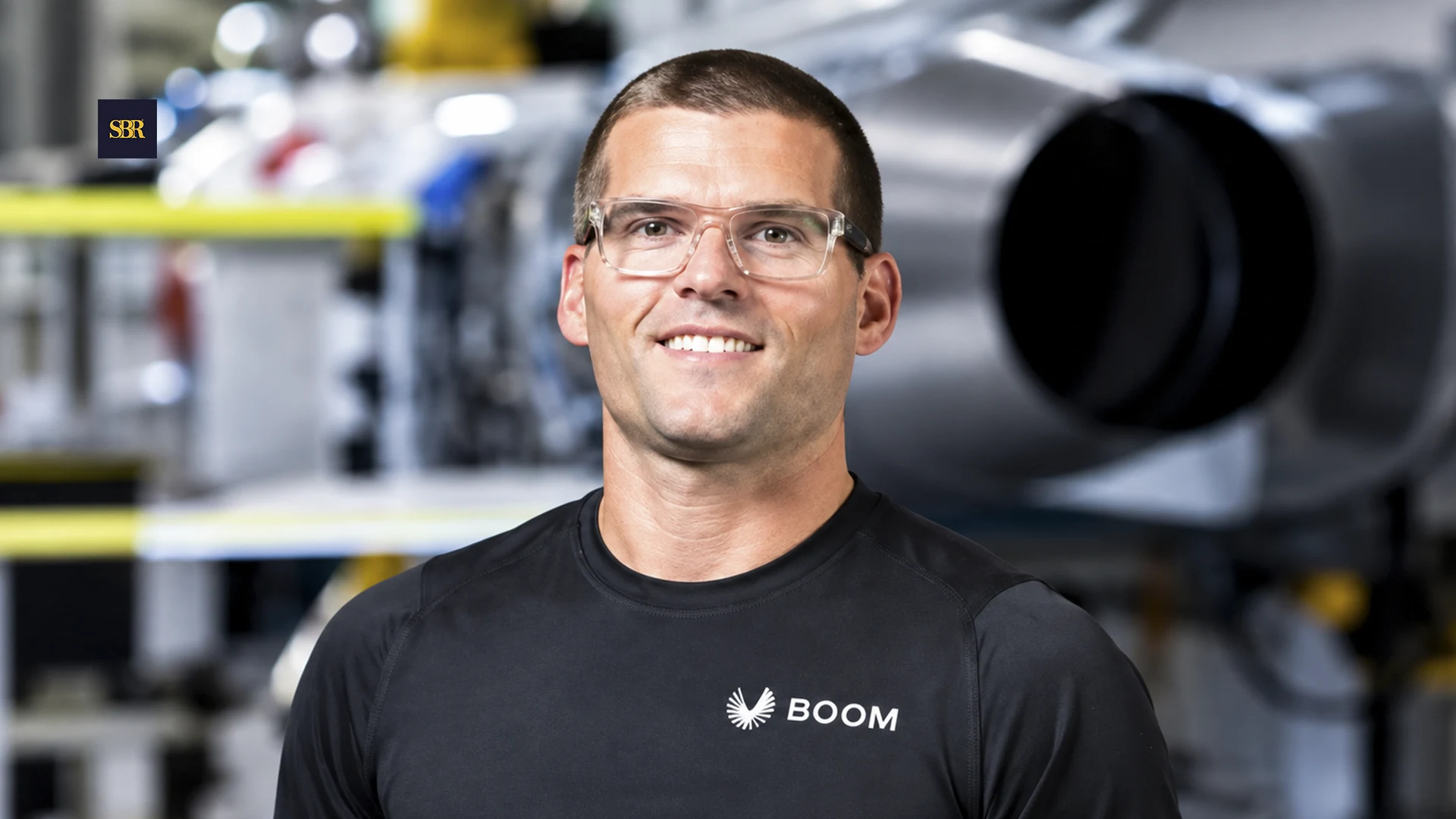
Neal Rickner is the CEO of Airloom Energy, a Wyoming-based energy technology company developing track-mounted wind turbines for utility-scale electricity generation. He has more than 25 years of experience in energy, defense, and industrial operations and investment. Before joining Airloom, Rickner served as CEO of BridgeTek Energy, a battery integration services provider, and managing partner of Elevation Ventures, where he invested in early-stage energy and mobility companies. He also spent nearly a decade at Google and Google X, including as chief operating officer of Makani, an airborne wind energy venture. Earlier in his career, Rickner served 12 years in the U.S. Marine Corps as an F/A-18 pilot and forward air controller, completing three tours in Iraq and earning the Bronze Star and 13 Air Medals. He holds master’s degrees in business administration and international affairs from Columbia University.












.webp)