
Swift Solar is a California-based solar technology company developing perovskite-silicon tandem solar cells for utility-scale solar projects, commercial and industrial applications, and specialized uses. The technology layers a thin perovskite semiconductor on top of a silicon solar cell, allowing both materials to capture different portions of the solar spectrum. Swift Solar is also establishing U.S. production of silicon heterojunction cells, which can serve as the silicon base for tandem products.
Tandem Cell Technology
Swift Solar is developing perovskite-silicon tandem solar cells designed to generate more electricity per panel than conventional silicon cells. Silicon absorbs much of the light used by conventional photovoltaic panels, while perovskite captures additional wavelengths that silicon does not use as efficiently. Swift’s tandem architecture targets up to 1.5 times the power output of conventional silicon technology. Higher output per panel could allow solar installations to generate more electricity from a given area, particularly at utility-scale projects, commercial buildings and sites with limited space.
The technology program covers perovskite materials, silicon heterojunction (HJT) cells, cell architecture and manufacturing processes. HJT cells use crystalline and amorphous silicon layers to reduce electrical losses and improve cell performance. In a tandem configuration, the HJT silicon cell serves as the bottom layer, while perovskite captures additional light above it. Commercial production requires stable materials, repeatable manufacturing yields, and competitive costs per watt. Solar modules must also withstand prolonged outdoor exposure, including temperature changes and moisture. Reliability testing and manufacturing qualification will establish whether tandem cells can maintain their performance during long-term use.
U.S. Manufacturing Expansion
In March 2026, Swift Solar acquired manufacturing equipment and intellectual property from Meyer Burger, the European solar manufacturer. The transaction brought HJT manufacturing equipment and silicon technology patents into Swift’s operations. The assets provide a production base for silicon cells, while perovskite technology offers a route to tandem products. The planned sequence begins with HJT cells and modules manufactured in the United States, followed by the integration of perovskite layers into the production process. This sequence gives Swift a route to supply U.S.-made silicon products while preparing tandem cells for commercial production.
The acquisition brought manufacturing specialists Gunter Erfurt, Meyer Burger’s former chief executive, and Marcel Koenig, its former global research and development head, into Swift Solar’s operations. Their experience includes industrializing silicon photovoltaic technology and operating large-scale manufacturing facilities. Swift is pursuing gigawatt-scale U.S. production, but the acquisition does not establish that this capacity is operational. Reaching that level requires equipment installation, process qualification, workforce training, reliable material sourcing and repeatable production yields. Swift must also qualify its HJT products with customers before adding perovskite layers to the production line.
Solar Industry Partnerships
In November 2025, Swift Solar entered a cooperation agreement with Eni Plenitude to evaluate perovskite tandem technology for utility-scale deployment in the United States. The planned pilot will test the modules at a solar installation under operating conditions. Utility developers assess module efficiency alongside durability, installation costs, warranties, and lifetime electricity generation. Higher conversion efficiency can allow a project to generate more electricity from a given land area, but developers also need evidence that modules retain their output over time. The cooperation provides a route to field testing, with the results informing decisions about potential commercial use.
Swift has also tested its perovskite technology in defense and critical-infrastructure applications. In October 2025, Swift-manufactured perovskite tandem modules were used during the U.S. Army-led Cyber Fortress exercise in Virginia Beach. The modules contributed to a transportable microgrid powering equipment during a simulated cyberattack on the electrical grid. In June 2025, Swift entered an agreement with American Tower Corporation to evaluate perovskite technology for critical infrastructure. These programs test potential uses beyond conventional solar farms, including sites where energy equipment must be portable or operate independently of the grid. Demonstrations and pilot agreements do not establish long-term reliability or confirm large commercial orders. Customer evaluations must verify performance for each intended application.
Product Certification Milestones
Swift Solar has expanded its manufacturing, finance, commercial strategy and product management leadership as it prepares for larger-scale production. Bijan Moslehi joined as vice president of manufacturing and supply chain in March 2026, followed by Geoffrey Dunican as vice president of commercial strategy in May and Sebastian Neelamkavil as vice president of finance in July. On September 16, 2026, Nasim Sahraei took on the role of head of strategic programs and product management lead. Her responsibilities include coordinating manufacturing plans, product requirements, and customer qualification. The product management function connects engineering, commercial planning, and manufacturing with certification requirements and customer specifications.
Certification of Swift’s HJT products is the next milestone in its commercial plans. Certification establishes whether cells and modules meet applicable technical and safety requirements, allowing buyers to assess them for procurement. HJT products could generate early sales while Swift works to integrate perovskite layers into the manufacturing process. Tandem cells could serve utility-scale solar projects, commercial and industrial facilities, data centers, residential installations and specialized applications such as space power, provided they meet the relevant performance requirements. Reaching these markets will require commissioned production equipment, repeatable yields, reliability data, competitive manufacturing costs and customer qualification. The Meyer Burger acquisition provides manufacturing assets and expertise, while the Plenitude and American Tower programs provide routes for application testing. Swift’s commercial progress will depend on delivering certified products, securing repeat orders and establishing reliable U.S. production.
ABOUT | JOEL JEAN
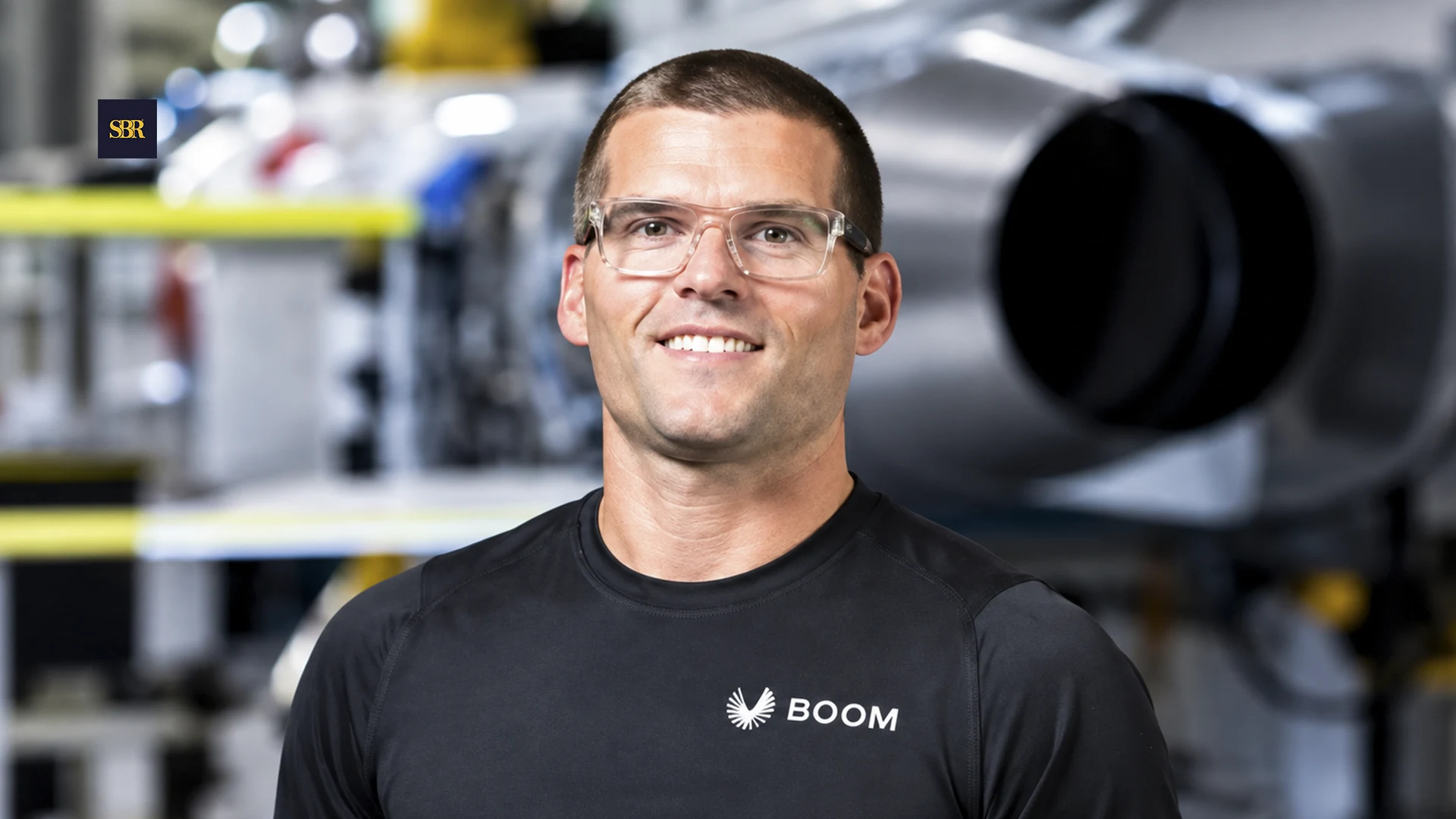
Joel Jean is the co-founder and chief executive officer of Swift Solar, a California-based solar technology company developing perovskite-silicon tandem solar cells. His work spans emerging photovoltaic technologies, solar-cell engineering, and techno-economic analysis. Before founding Swift Solar, Jean served as founding executive director of the Tata-MIT GridEdge Solar research program, which examined pathways to scale new photovoltaic technologies. He co-authored the MIT Future of Solar Energy study and has researched emerging solar materials and devices. Jean holds a bachelor’s degree in electrical engineering from Stanford University and master’s and doctoral degrees in electrical engineering from the Massachusetts Institute of Technology.












.webp)