
Reaction Dynamics Lab Inc., known as Reaction Dynamics or RDX, is a Canadian aerospace company developing rocket engines and launch vehicles for commercial and defense missions. Founded in 2017 and headquartered in Longueuil, Québec, the company is developing Aurora, a light-lift rocket for small satellites, and Borealis, a planned medium-lift vehicle for larger payloads. The launch program is intended to give Canadian government agencies, defense customers, and commercial satellite operators access to orbit without depending exclusively on launch providers in other countries. Potential missions include deploying communications and Earth-observation satellites, replacing spacecraft that fail in orbit, and replenishing space-based capabilities used by government and military agencies.
Reaction Dynamics began its propulsion program with hybrid engines that pair solid fuel with a liquid oxidizer. On October 8, 2026, the company completed 50 tests in its new liquid-fueled engine program, marking a change in the propulsion technology planned for its rockets. The revised program uses storable liquid propellants that can be kept at ordinary temperatures, avoiding the need for cryogenic storage. The transition is intended to increase Aurora’s payload capacity and carry propulsion work into Borealis. It also means the company will not proceed with Aurora-1, a previously planned suborbital demonstration in Australia designed to test the earlier hybrid configuration. The first orbital launch from Canadian soil remains targeted for the fourth quarter of 2028.
Aurora Launch Vehicle
Aurora is designed to carry small satellites into orbit on dedicated missions, allowing customers to select a launch for their payload rather than share space on a larger rocket. Reaction Dynamics lists a payload capacity of up to 250 kilograms to sun-synchronous orbit, a near-polar path commonly used by Earth-observation satellites. The rocket is also designed for containerized launch infrastructure that can be transported and deployed at suitable sites. These features are intended to give commercial operators and government customers greater control over launch timing and satellite deployment. The stated payload capacity remains a design specification; an orbital flight is still needed to demonstrate the vehicle’s performance in operation.
Reaction Dynamics has established launch and commercial relationships as it works toward its first orbital mission. In May 2025, the company and Galaxia signed a multi-launch agreement for missions using the Aurora-8 launch system, including its maiden flight. In August 2025, Reaction Dynamics entered a pathfinder agreement with Maritime Launch Services for a planned launch from Spaceport Nova Scotia. The arrangement established a route toward launching from Canadian soil, subject to vehicle readiness, site preparation and regulatory approvals. Reaction Dynamics also made a strategic investment in Maritime Launch as part of the relationship. These agreements establish commercial and launch-site arrangements, but they do not mean that the planned missions have taken place.
Federal Funding Partnerships
In March 2026, the Government of Canada selected Reaction Dynamics for Launch the North, a Department of National Defence initiative administered through the Innovation for Defence Excellence and Security program. The company received an initial C$8.3 million allocation under Phase 1 of the Responsive Light-Lift stream. The program is intended to help establish Canadian orbital launch capability, including systems that can be deployed outside permanent spaceports. The allocation funds work tied to program requirements; it does not guarantee further government funding, a procurement contract or a successful orbital mission. The award provides financial backing as Reaction Dynamics develops its propulsion technology and launch vehicles.
Reaction Dynamics raised C$14 million in Series A financing in June 2025, bringing its total capital raised to C$38 million at that time. In May 2026, the company signed a memorandum of understanding with South Korean shipbuilder Hanwha Ocean to explore a potential strategic investment and industrial collaboration. The memorandum provides a framework for discussions, rather than confirming that an investment has closed. The proposed relationship is connected to Hanwha Ocean’s industrial participation plans associated with its bid for Canada’s Canadian Patrol Submarine Project. The financing, federal allocation and potential Hanwha Ocean investment are separate sources of capital, and the amount available for future rocket work will depend on completed transactions, program milestones and additional financing.
Liquid Engine Testing
The October 2026 test campaign included 21 hot-fire tests across two engine variants, several injector configurations, and ignition and shutdown sequences. The final firings recorded characteristic-velocity efficiency above 95%, a measure of combustion performance relative to a theoretical value. Manufacturing of the orbital-scale RE-X liquid engine is underway, with hot-fire testing scheduled to begin in November 2026. The results mark progress in engine testing, but they do not establish that the engine or a complete launch vehicle is ready for flight. Further trials must demonstrate performance across the operating range required for an orbital mission.
The updated propulsion program changes the sequence of demonstrations before Aurora’s first orbital flight. The earlier Aurora-1 program completed more than 350 engine firings and a ground qualification campaign, but its planned Australian suborbital mission will not proceed because it was designed for a hybrid engine no longer included in the product line. Reaction Dynamics instead plans to test RE-X and the assembled rocket stages on the ground through their full mission duty cycles before flight validation. The first orbital launch remains scheduled for the fourth quarter of 2028, while Borealis will require additional engineering, testing and financing as a medium-lift vehicle. Engine tests, integrated-stage trials, launch-site readiness and regulatory approvals will determine whether Reaction Dynamics meets that schedule.
ABOUT | BACHAR ELZEIN
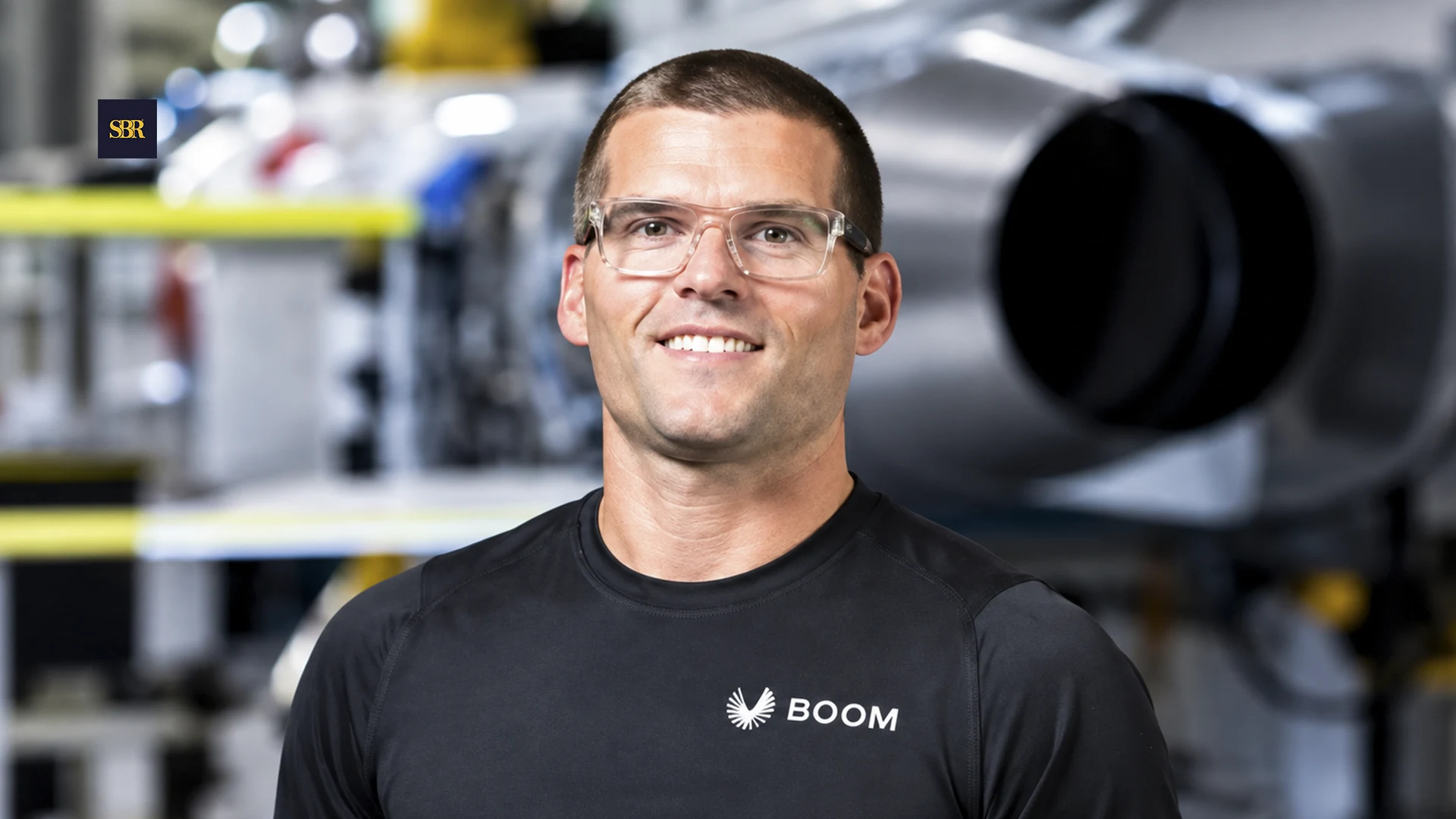
Bachar Elzein, co-founder, is the CEO and CTO of Reaction Dynamics, a Canadian aerospace company developing rocket propulsion technology and orbital launch vehicles. He studied engineering at Polytechnique Montréal, where he participated in the university’s student rocketry group, Oronos. Elzein and his fellow students won the Spaceport America Cup in 2012, 2013 and 2014, becoming the first non-U.S. team to win the international student rocketry competition. His research at Polytechnique Montréal examined hybrid rocket propulsion, including fuel combustion and propellant performance. He founded Reaction Dynamics in 2017 to establish Canadian orbital launch capabilities. Under his leadership, the company is developing Aurora, a light-lift launch vehicle for small satellites, and Borealis, a planned medium-lift rocket. Elzein leads the company’s engineering and business strategy as it works toward its first orbital launch, targeted for late 2028.









.webp)