Quasar Satellite Technologies, or QSAT, is an Australian space technology company developing ground-station equipment for satellite communications and space surveillance. Founded in 2021, the company commercializes multibeam phased-array technology originating from research by the Commonwealth Scientific and Industrial Research Organisation (CSIRO), Australia’s national science agency. Conventional satellite ground stations often rely on parabolic dishes that establish communication links with individual spacecraft. Operators serving multiple satellites may therefore need several antennas at one site. QSAT’s electronically steered antenna arrays can form multiple beams, allowing a single array to communicate with several satellites without mechanically repositioning a dish for each connection.
QSAT’s multibeam antennas use electronically controlled elements and software to direct radio-frequency signals toward selected satellites. Operators can configure beams and assign communications tasks through software rather than relying solely on mechanical antenna movement. Applications include satellite command and control, spacecraft data transfers and ground-station services for commercial and government customers. The company’s portfolio includes X-band multibeam antenna technology, with modular hardware for different deployment requirements. X-band frequencies serve satellite communications and defense applications, including radar. Adoption will depend on the number of simultaneous connections, signal performance, operating costs and compatibility with customers’ existing ground-station equipment.
SkyDome Defence Trials
QSAT’s SkyDome is a passive radio-frequency sensor designed for space domain awareness, which involves monitoring and analyzing satellites and other objects in orbit. Unlike radar equipment that transmits signals and analyzes their reflections, SkyDome detects radio-frequency emissions from satellites and other sources without transmitting its own signals. The technology draws on CSIRO research and is designed to monitor activity in low Earth orbit and geostationary orbit. These observations can reveal information about satellite activity that orbital tracking data alone may not provide, giving analysts another source of evidence when assessing activity in space.
On July 23, 2026, Australia’s Department of Defence began a 12-month trial of the Australian-built SkyDome sensor in South Australia. The trial will assess the sensor’s ability to detect orbital activity, operate under field conditions and integrate with existing defense capabilities. The findings will inform future investment decisions concerning Australia’s space surveillance capabilities. The trial does not constitute a permanent deployment or procurement commitment. Further adoption will depend on the sensor’s performance during testing and the government’s subsequent procurement decisions.
Funding and Partnerships
On March 17, 2026, QSAT received A$2.5 million through the Australian government’s Industry Growth Program to develop its multibeam X-band ground-station technology. The funding will pay for engineering and product development as the company pursues satellite communications applications. The award follows a A$5.3 million Defence Innovation Hub contract secured in 2023 to develop a multibeam phased-array ground station. These awards document public investment in QSAT’s technology, but funding alone does not establish commercial sales, production volumes or profitability.
In September 2026, QSAT entered a collaboration with Computer Access Technologies on RED ROO, short for Radio Frequency Emission Detection & Rapid Orbit Observations, under a SpaceWERX Small Business Innovation Research Phase II effort. SpaceWERX is the U.S. Space Force’s innovation arm, and its SBIR program funds technology projects with potential defense applications. The collaboration links QSAT’s radio-frequency sensing technology with work to detect emissions and observe orbital activity. On September 22, QSAT also met with Australia’s Joint Capabilities Group and Defence to discuss SkyDome and its potential use by Australian and allied operators. Publicly available information does not establish RED ROO’s contract value, delivery schedule or final performance results.
Commercial Deployment Prospects
QSAT’s commercial prospects depend on demonstrating that its multibeam antennas can handle customer workloads reliably and at a competitive cost. Satellite operators will evaluate the number of simultaneous links, signal performance, frequency coverage, power consumption, installation requirements and software integration. They may also compare the cost of a multibeam antenna with the expense of installing and maintaining multiple conventional dishes. Government and defense buyers have additional requirements involving data security, operational resilience and compatibility with existing communications networks. The SkyDome trial provides an opportunity to assess passive sensing during operational use, while funding for the multibeam antenna and defense-related projects enables further technical evaluation.
Commercializing technology originating in radio astronomy requires antenna hardware and control software capable of operating reliably in satellite communications networks. Space surveillance presents a different requirement: radio-frequency observations must provide information that analysts and defense operators can use to assess activity in orbit. QSAT’s recent milestones include the A$2.5 million Industry Growth Program award, the SkyDome trial in South Australia and the RED ROO collaboration with Computer Access Technologies. These projects mark stages of technical evaluation, not proof of widespread deployment. Customer contracts, verified performance, manufacturing capacity and recurring revenue will determine whether QSAT can turn its antenna and sensing technology into a sustainable commercial business.
ABOUT | SEAN McCAWLEY
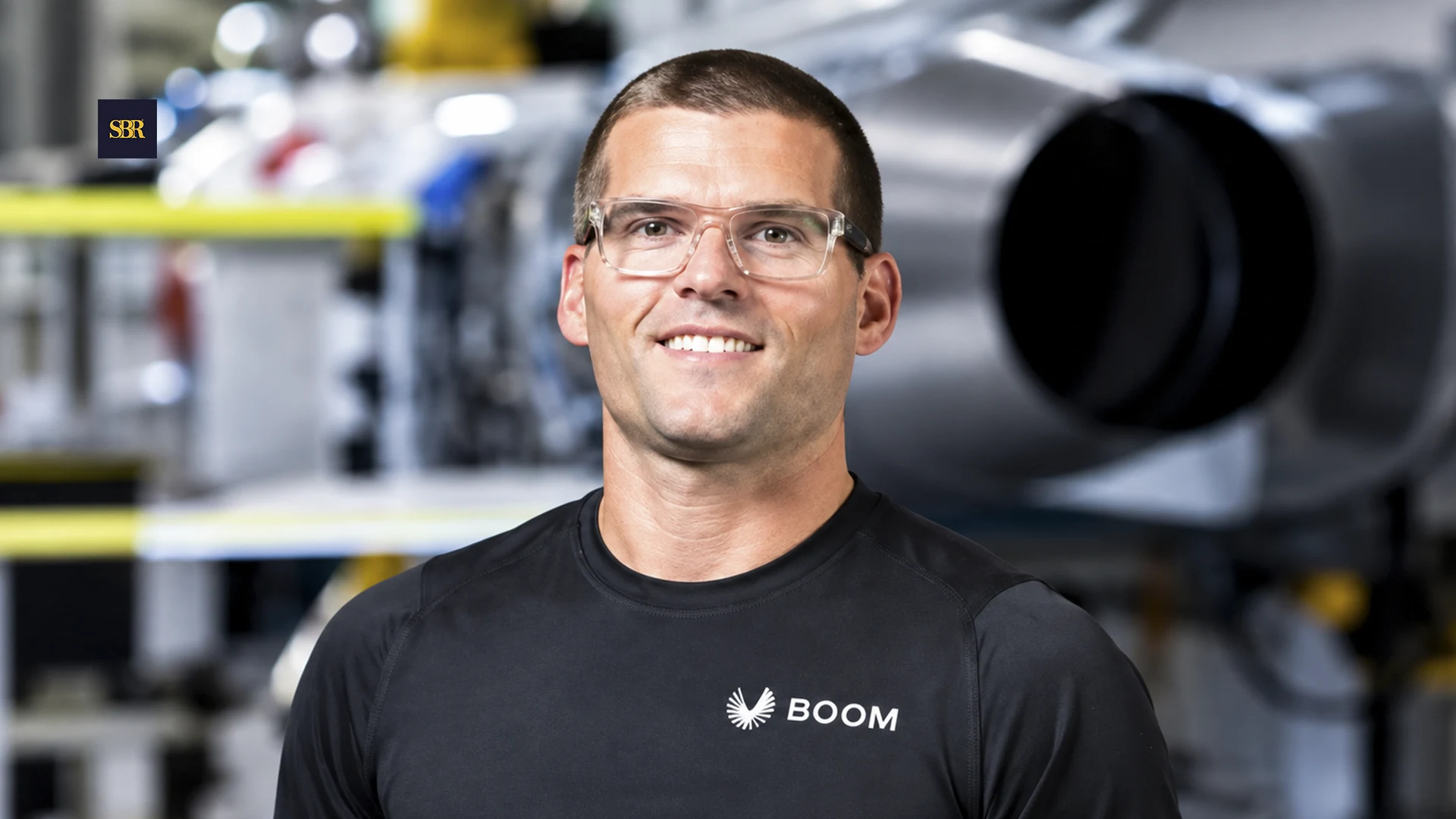
Sean McCawley is the Chief Commercial Officer of Quasar Satellite Technologies, an Australian space technology company developing multibeam antenna systems for satellite communications and radio-frequency sensors for space surveillance. His background includes executive leadership, startup commercialization, venture investment, mergers and acquisitions, strategy and operations. He previously served as CEO of RoZetta Ventures, the venture fund of the RoZetta Institute, and held senior executive roles at major banks and financial services companies. McCawley has also been involved in several startups, including the commercialization and launch of GoldPass at Trovio, formerly Infinigold. He holds an Executive MBA from the Australian Graduate School of Management, a Bachelor of Commerce in Management and Law from Western Sydney University, and is a graduate member of the Australian Institute of Company Directors.