August Robotics is a global robotics platform company developing autonomous machines for construction, industrial, and large-scale infrastructure environments. Founded by Alex Wyatt in 2017, the company first gained commercial traction with Lionel, a robot that transfers digital floor plans onto physical surfaces. With more than 300 million square feet marked across five continents, Lionel established a commercial base before August Robotics entered robotic concrete drilling for data center construction. The company now develops specialized machines for different applications using shared technology for autonomous navigation, digital planning and task execution.
Lionel Establishes Commercial Traction
Lionel serves exhibition venues, carpet contractors and industrial fit-out projects where accurate floor markings guide the placement of stands, fixtures, equipment and flooring. Customers featured in published case studies include Excel London in the United Kingdom, Messukeskus in Finland, Emerald Carpets in the United States and Elecorp Solutions in Australia. Messukeskus reported cutting floor-marking time by more than half after adopting the robot. In March 2025, August Robotics introduced Lionel PX, an updated paint-marking mechanism, and announced a partnership with Mexican firm ACOB to enter the Mexican market. These initiatives extended the reach of its original product before the company entered concrete drilling.
Data Center Drilling
August Robotics entered construction drilling through a partnership with DEWALT, the construction tools brand owned by Stanley Black & Decker. Introduced in January 2026, DALE is designed to drill downward into concrete for installations such as server-rack stops and supports for mechanical, electrical, and plumbing systems. Data center construction requires large numbers of accurately placed holes before subsequent installation work can proceed. Automating this stage gives August Robotics access to projects where drilling speed, accuracy and coordination with other construction activities affect completion schedules.
DALE became commercially available through DEWALT in July 2026. Pilot results covered more than 385,000 holes across 44 data center construction phases, with reported accuracy above 99%. Drilling speeds reached up to 10 times those of traditional methods, while reported schedule reductions exceeded 300 weeks across the 44 phases. The robot also features interchangeable batteries, remote monitoring, automatic dust extraction and AI-assisted quality checks. In October 2026, DALE received a place in Fast Company’s Next Big Things in Tech Awards. Performance at other sites will depend on project layouts, operating procedures and deployment requirements.
Modular Robotics Platform
August Robotics uses a shared hardware and software foundation to develop machines for different industrial applications. The platform processes digital plans, determines a robot’s position and coordinates task execution. Reusing established components can reduce the engineering work required to develop products for new applications, allowing the company to draw on existing capabilities rather than design every system independently.
The company has also developed proprietary positioning technology that identifies a robot’s location within its working environment without relying on total stations. This reduces dependence on conventional surveying equipment during setup and helps translate digital instructions into physical tasks. Reliable positioning is particularly important at active construction sites, where workers, equipment and changing site conditions can complicate automated operations.
The platform enables multiple robots of the same type to divide work across a site, while different robot types can operate through a shared system and interface. For contractors managing large facilities, coordinated fleets offer a way to organize automated tasks across extensive working areas. Effective deployment depends on reliable coordination, the ability to accommodate site conditions, and compatibility with existing construction schedules.
August Robotics can apply this shared architecture to additional industrial fit-out and construction applications. Although each task presents distinct engineering requirements, established navigation, planning and fleet-management capabilities provide a foundation for developing machines for other forms of repetitive physical work. The extent to which this reduces development costs and accelerates commercial adoption will depend on the requirements of each application.
Engineering and Manufacturing
August Robotics uses six-week development cycles to evaluate ideas, incorporate requested features, and move product improvements toward commercialization. This process allows engineers to address operational issues through recurring revisions rather than waiting for major redesigns. For robots deployed on active construction sites, these cycles can help address differences between controlled testing and demanding working conditions.
The company also uses manufacturing facilities in major robotics supply-chain hubs to access components, logistics networks and technical expertise. Established supplier networks can help manage production lead times and reduce waste, while standardized components can simplify procurement and maintenance across products that share a common platform. Maintaining consistent quality across different machine configurations remains important as production volumes grow.
Software interfaces and operating procedures also influence the economics of robotic fleets. A shared interface can reduce the need for separate operating systems across different machine types. Customers must nevertheless account for installation, operator training, maintenance and integration with existing workflows when evaluating automation investments. The commercial value of the platform depends on whether these capabilities translate into reliable equipment and manageable operating costs.
Series B Financing
August Robotics secured $30 million in Series B equity financing in May 2026, with Big Pi Ventures leading the round. Existing investors Blackbird, Skip Capital, Tanarra and Future Family Office participated alongside new investor GS Futures, a U.S. investment firm specializing in construction. The financing followed DALE’s introduction and deployment at data center projects in the United States and Europe. Planned uses include production capacity, additional deployments and new robotic products for construction, exhibitions and infrastructure.
August Robotics operates across seven global hubs spanning the United States, Europe, Asia and Australia. These locations include a Europe, Middle East and Africa hub in Athens, Greece, and a Data and AI research and development center in Melbourne, Australia. The network provides resources for robotics research, software engineering and customer operations across several geographic regions. The financing gives the company additional capital to pursue commercial opportunities across its existing product lines and future applications.
Scaling Across Industries
Lionel and DALE demonstrate how August Robotics applies autonomous robotics to different commercial tasks. Lionel serves exhibition and fit-out customers, while DALE addresses high-volume concrete drilling at data center construction sites. Their commercial applications give the company a foundation for serving customers across distinct industries rather than relying on a single product category.
The DEWALT relationship gives DALE access to an established construction tools brand, while Lionel provides an existing customer base across several countries. The $30 million financing round adds resources for production and product development. Long-term commercial success will depend on repeat orders, dependable equipment performance, and the economics of deploying and maintaining autonomous machines at scale. August Robotics’ ability to translate its existing customer relationships and shared technology into sustained sales will determine whether its two established product lines can provide a foundation for further commercial growth.
ABOUT | ALEX WYATT
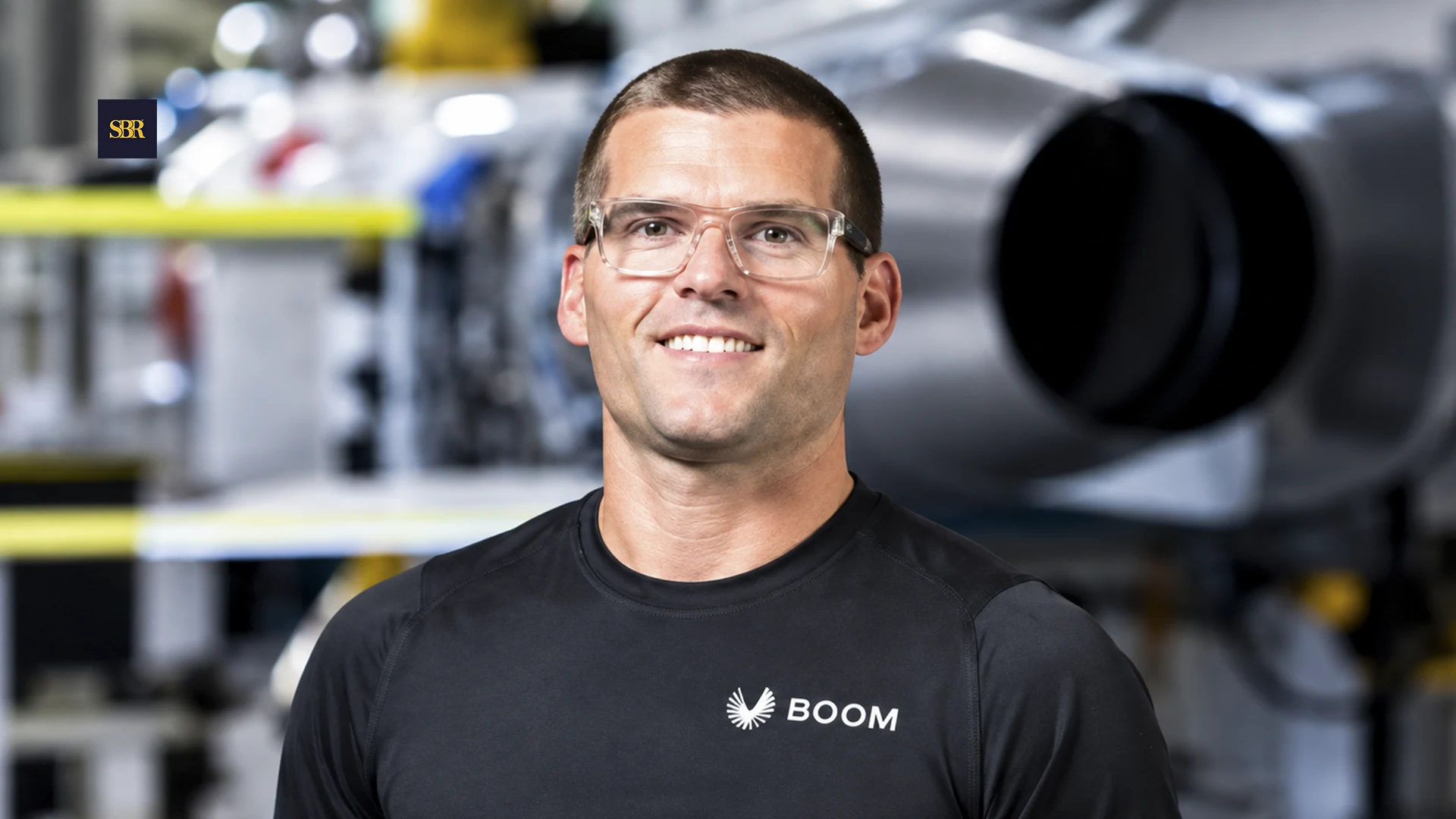
Alex Wyatt is the founder and CEO of August Robotics, a robotics automation company established in 2017. Born and raised in Melbourne, Australia, he holds undergraduate degrees in computer science and law from the University of Melbourne and an MBA and an MPhil in Modern Chinese Studies from the University of Oxford, where he studied as a Rhodes Scholar. In 2006, he co-founded Climate Bridge, an international clean energy and carbon trading business that grew to encompass more than seven gigawatts of power projects and US$2.5 billion in total asset value before his departure in 2013. Through August Robotics, Wyatt works to automate repetitive, dangerous, and physically demanding tasks. The company develops autonomous machines for applications including exhibition floor marking and construction drilling.